
building a summer schedule

There are two versions of summer break:
The one you imagine in May—slow mornings, popsicles, spontaneous adventures.
And the one that actually happens by mid-June—kids saying “I’m bored” by 9:17am, snacks disappearing at an alarming rate, and you somehow feeling both overbooked and unproductive.
After a few summers of swinging between those extremes, I’ve landed on a system that works for our family: a structured-but-flexible summer schedule.
Here’s how I build it.
Step 1: Start with Anchors (Not a Full Calendar)
Before I plan anything “fun,” I map out our non-negotiables:
Camps
Travel
Sports commitments
Work constraints
These are the anchors of our summer. Once they’re on the calendar, I can actually see where we have space—and just as importantly, where we don’t.
This step alone prevents the classic mistake: overcommitting early and burning out by July.
STEP 2: CHOOSE A WEEKLY RHYTHM
Instead of planning every single day, I build a repeatable weekly flow.
Ours usually looks something like:
1 outing day (pool, museum, day trip)
1 home reset day (laundry, groceries, life admin)
1 social day (playdates, meet-ups)
1 “nothing planned” day
1 flexible/fill-in day
This gives the kids predictability without locking us into a rigid schedule.
And honestly? The “nothing planned” day is doing a lot of heavy lifting.
STEP 3: bUILD A GO-TO ACTIVITY LIST / MYSTERY BOARD

When kids say “I’m bored,” what they actually mean is:
“I don’t want to come up with the idea.”
So I keep a running list of easy wins:
Farm trips
Water play setups
Local playgrounds
Short hikes
Library stops
Simple at-home activities
When the moment hits, I just pick from the list—no mental energy required.
STEP 4: PLAN HALF DAYS, NOT FULL DAYS
This one changed everything for us.
Full-day plans sound great… until everyone is tired, hungry, and melting down by 2pm.
Now, I plan one “main event” per day, usually in the morning:
Outing
Activity
Playdate
And then I leave the afternoon open for:
Rest
Free play
Screens (yes, really)
It keeps the day feeling full and manageable.
STEP 5: LOWER THE BAR, THEN LOWER IT AGAIN
Not every day needs to be:
Enriching
Educational
Instagram-worthy
Some days are:
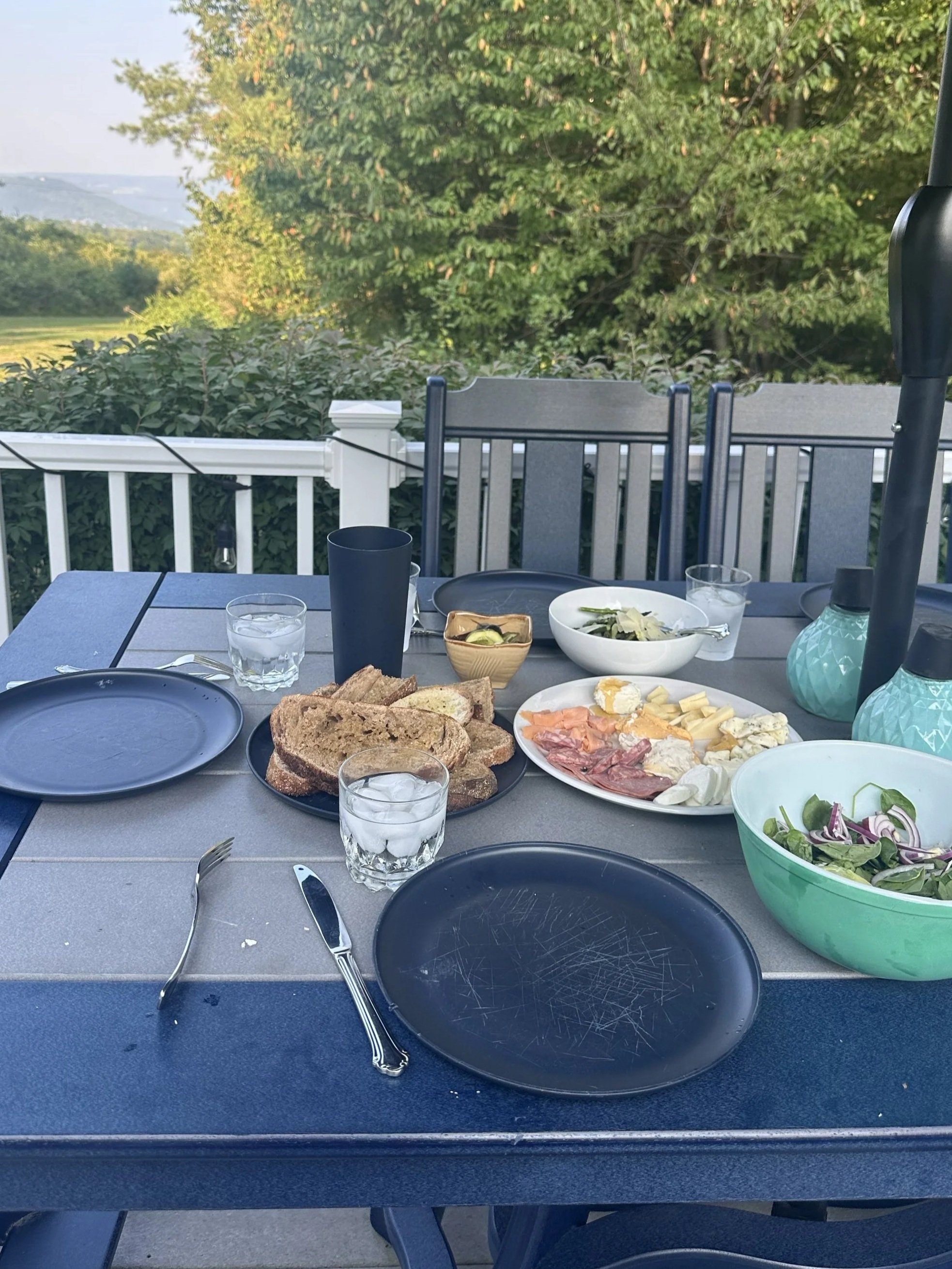
Charcuterie board dinners
Backyard + popsicles
Movie afternoons
Letting siblings figure it out (with minimal intervention)
And those days?
They’re just as much a part of summer.
STEP 6: BUILD IN TIME FOR YOURSELF

This is the part I used to skip—and the reason I’d burn out.
Now I intentionally ask:
When do I get a break?
Where can I simplify?
What can I outsource or skip?
Because a summer schedule that works for the kids but exhausts the parent… doesn’t actually work.
What This Looks Like in Real Life
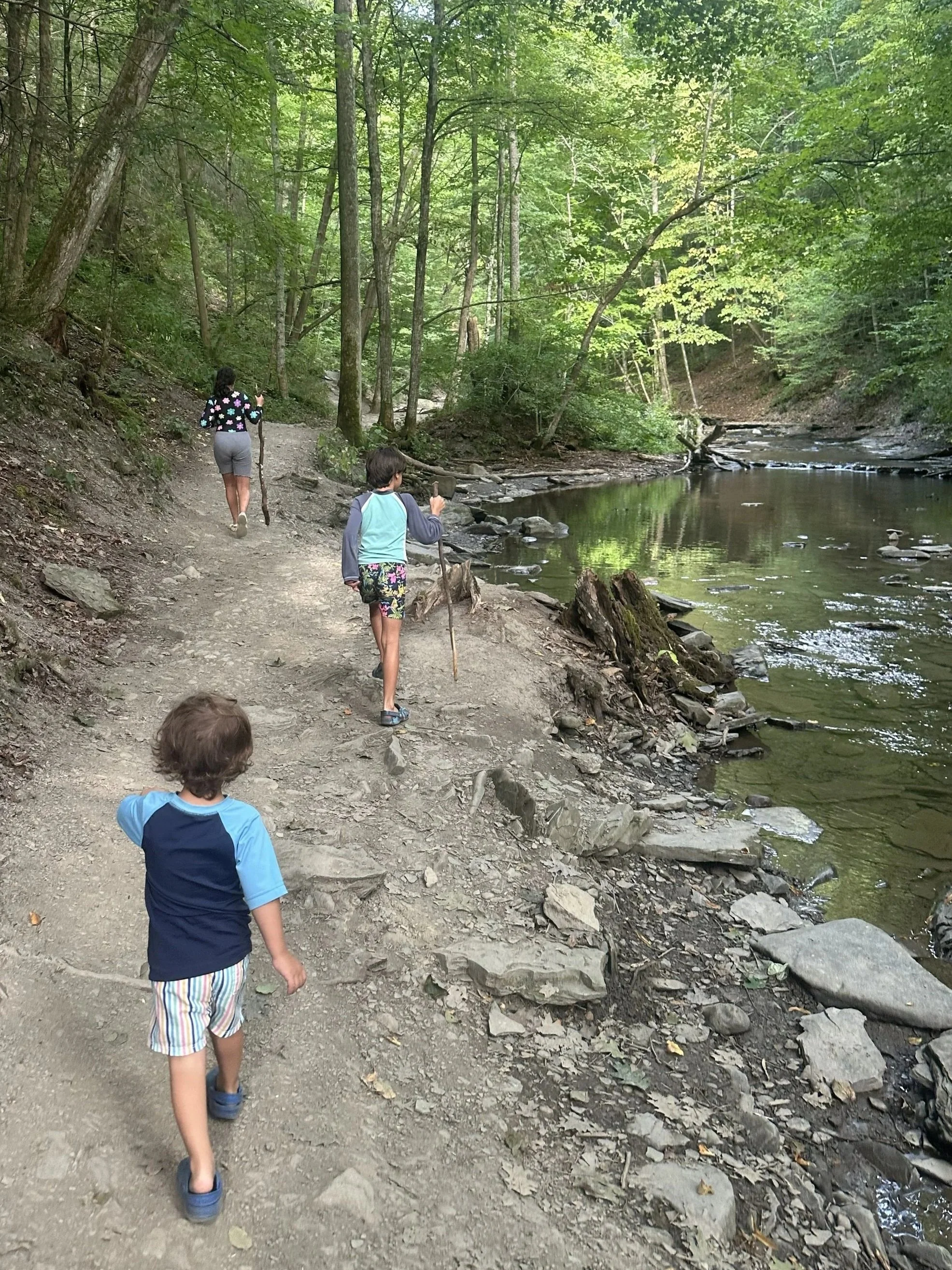
Our summer isn’t perfectly balanced every week.
Some weeks are camp-heavy.
Some revolve around travel.
Some feel slower than expected.
But having this framework means I’m not starting from scratch every Monday—and that alone makes summer feel lighter.
Final Thought
The goal isn’t to create a perfect summer.
It’s to create one that feels:
manageable
enjoyable
and a little bit magical (without trying too hard)
Because the moments kids remember most?
Are usually the ones you didn’t over-plan.