
building an itinerary for different ages
because not everyone that comes on the trip is exactly the same age as you
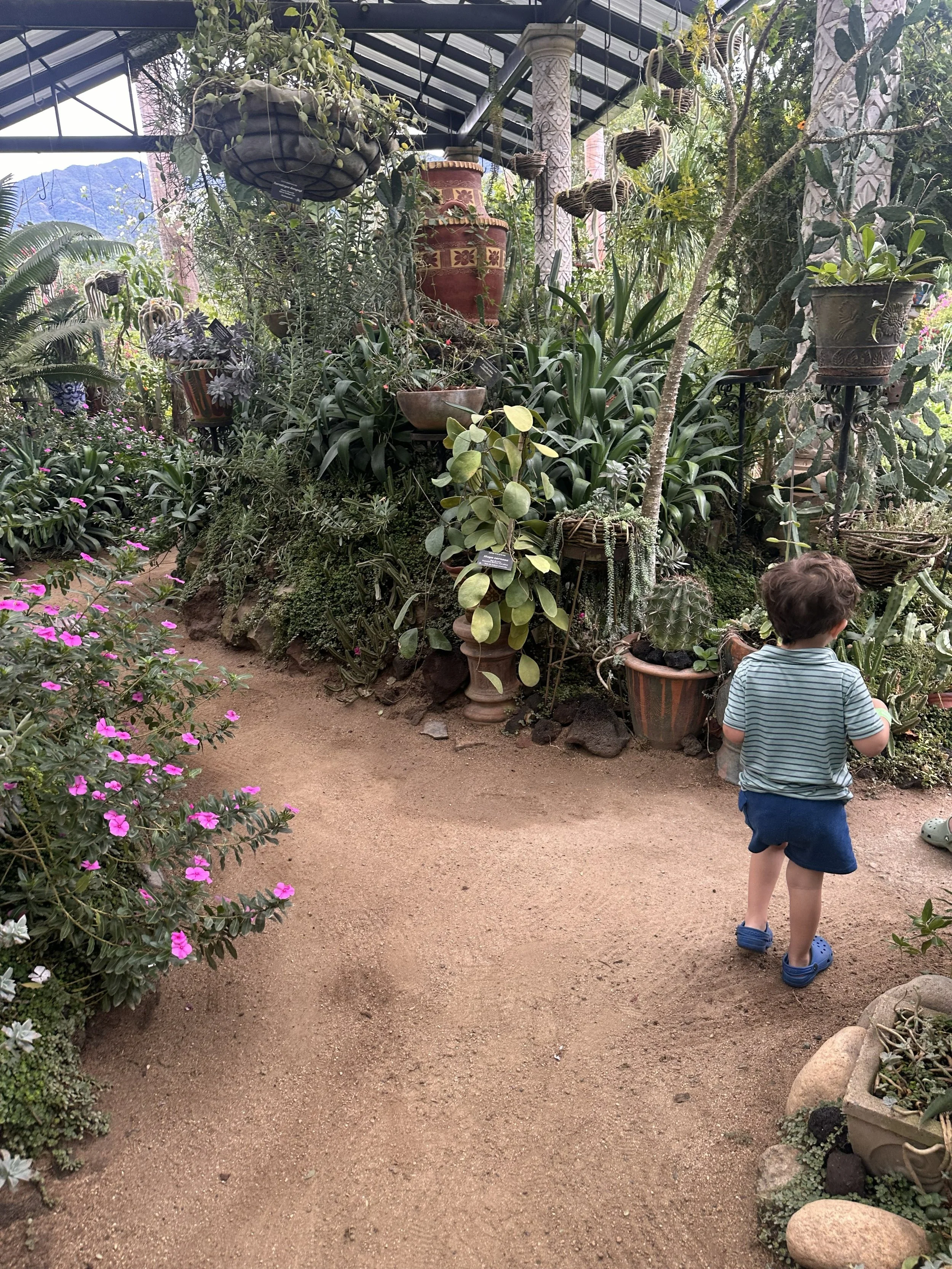
Designing an itinerary that appeals to an entire family ecosystem is a bit of an art and a science. When you are balancing the rapid pace of teenagers, the niche interests of tweens, the sensory needs of toddlers, and desire to eat / drink well and see “the sites” for adults, your destination selection, itinerary stops and daily schedule are going to dictate the trip and keep everyone happy (or not).
The Destination is less important than the stops
Instead of endlessly googling the best destination for your combo of ages, here’s how I’d do this…
A standout approach is to leverage a "city-beach combo" or a historically rich hub positioned near expansive natural landscapes. By centering your trip around a single base, you reduce the logistical drag that triggers travel fatigue across generations.
So basically, I’m less concerned about if you’re picking Italy or Greece and looking more at WHERE you’re going in those places.
The Strategy Matrix: Adjusting Pacing by Life Stage
To optimize energy and ensure everyone feels like a priority, activities must be filtered through a deliberate developmental lens:
Infants & Toddlers (The Sensory Pacemakers): Keep plans deeply anchored to simplicity. For this age bracket, the destination is less about landmarks and more about tactile, slow-paced exploration—such as swimmable, shallow beaches or local parks. Limit itineraries to just one major outing per day to accommodate critical nap windows. Big kids will appreciate quiet time to call friends / use screens.
School-Age & Tweens (The Active Explorers): This group thrives on interactive novelty and high-engagement learning. Look for under-the-radar activities like specialized geography games, hands-on cooking classes, or guided food tours that introduce culture dynamically without causing the classic "museum burnout".
Teens & Young Adults (The Thrill Seekers): Autonomy and momentum are key here. Introduce elements of controlled adventure—think unique regional excursions and local markets, where they can safely explore independently.
Adults & Seniors (The Connection Curators): Focus on micro-moments of luxury and deep relaxation. This looks like evening dinners (which may need to be at your lodging with a private chef if you have kids in tow), a vineyard or brewery experience with a playground / space to run for the kids, or dedicated quiet time in the middle of the afternoon to rest and recalibrate.
Picking the right lodging
You know what toddlers and grandparents have in common?
They both really hate lots of stairs. Make your lodging location and accessibility features easy for everyone.
Pools are great but make sure they have safety features like fences and alarms.
Think through the needs of your travelers and pick lodging that works.
Building the Multi-Generational Itinerary
A successful multi-age trip does not mean everyone does everything together 100% of the time. True harmony is achieved through a flexible, parallel structure:
Establish a Shared Vision Early: Before booking any lodging, bring the family together to capture what success looks like for everyone. Use conversation prompts to map out hard must-haves versus optional preferences. Try our conversation cards in the early phases to set this up.
Plan Daily Schedule: If we look at the preferences of all of these groups, a quiet afternoon just works well for everyone. Morning is your key activity time, lunch is your big meal of the day, quiet time is for naps / screens / rest and anything in the evening is optional.
Anchor around Common Ground: Use meals and evenings as the ultimate collaborative hub. Gather the entire group back together for authentic local street food or relaxed dinners where stories can be shared across generations.
By shifting the focus from checking off every tourist site to choosing the right lodging characteristics and a manageable, slow-paced calendar, traveling together becomes less about managing logistics and more about building a collective narrative.