
(besides our fav time of year)
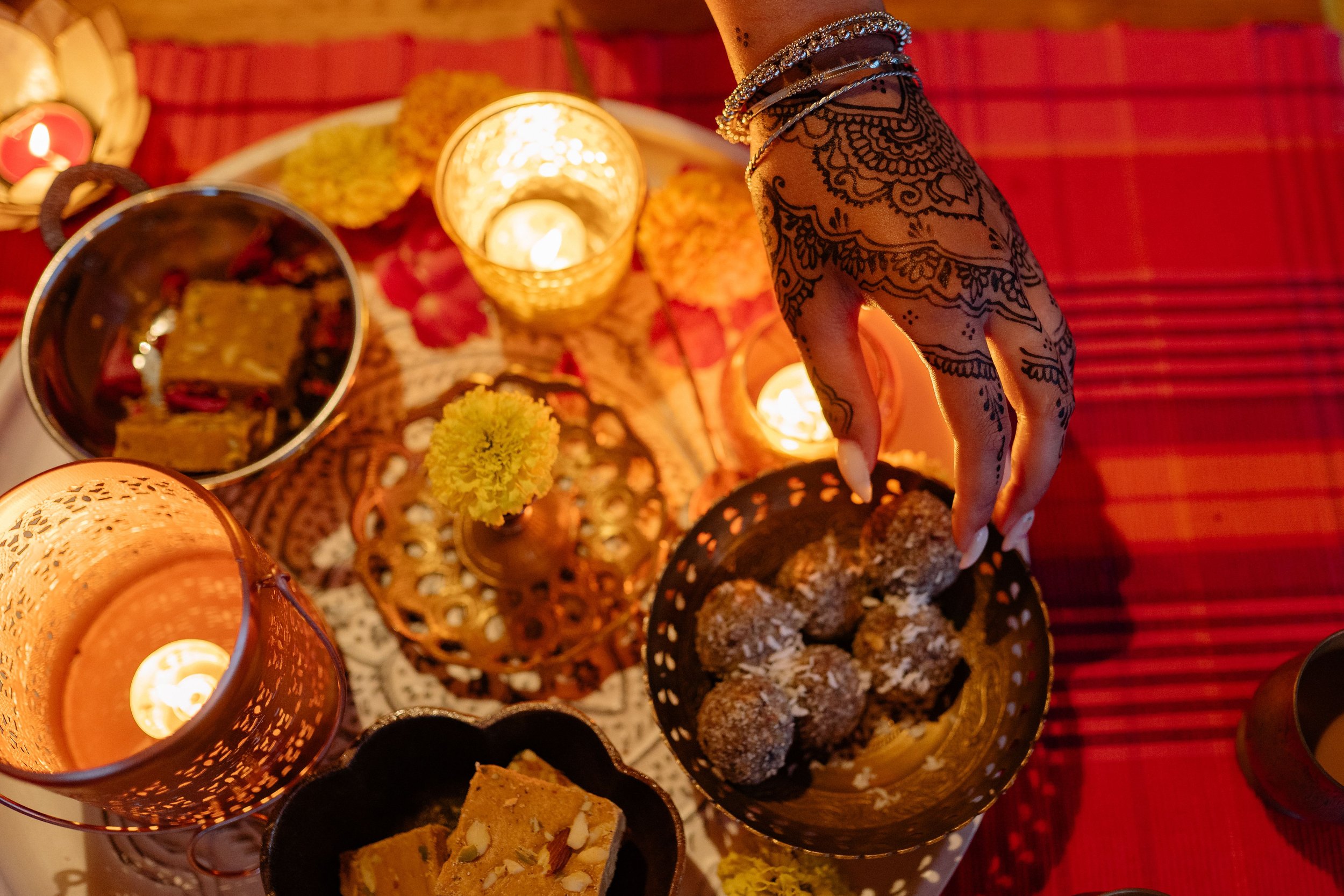
October - November in our house is a magical time. We are celebrating for both Halloween and Diwali (the Festival of Lights). Diwali-ween captures this magical overlap. During this time, we celebrate our family heritage, dual identity, and intentional family connection—combining marigolds with pumpkins, diyas with jack-o'-lanterns, and festive sweets with neighborhood trick-or-treating.
Why "Diwali-ween" Works for Our Family
At its core, Travel Family is built on creating intentional moments that fit your family’s unique rhythms and in our family, Diwali-ween really captures this time. When you raise multi-heritage kids, holiday planning isn't about rigid perfection or checking every cultural box—it's about creating memories your children actually look forward to. Here’s how we combine
Light Meets Magic: Diwali celebrates the triumph of light over darkness and knowledge over ignorance. Halloween brings playful wonder, imagination, and community connection. Pairing glowing diyas (clay lamps) alongside flickering jack-o'-lanterns creates an enchanting autumn atmosphere.
Cultural Harmony over Compromise: Instead of forcing kids to choose between traditional Indian clothing and spooky costumes on consecutive nights, we create space for both. It teaches our kids that their identity isn't split in half—it’s expanded.
Simplifying the Seasonal Hustle: By embracing a slower, blended approach, we eliminate holiday burnout and focus on high-impact family traditions.
4 Ways We Celebrate Diwali-ween Without the Stress
The Lantern & Diya Front Porch: We line our porch and indoor spaces with bright orange marigolds, carved pumpkins, and clay diyas. The combined glow welcomes trick-or-treaters and honors the tradition of welcoming light, prosperity, and warmth into our home.
Spice & Sweet Fusion: Our kitchen becomes a delicious crossroads. We pair traditional American fall treats like cinnamon pumpkin treats with warm spiced chai.
Costume & Culture Days: We dedicated specific windows for dressing up—wearing traditional kurta sets or lehengas for family puja and dinners, then transitioning seamlessly into creative Halloween costumes for neighborhood walks and school parades. We also like to give the kids the choice to wear traditional Indian garb or just a t-shirt with a mandala. Identity is complicated and should be joyful and a choice.
Focusing on Storytelling: We use evening downtime to share stories—the ancient epics behind Diwali alongside fun, cozy autumn tales. It grounds both holidays in meaning rather than just commercial noise.
Creating Your Own Blended Traditions
Whether your family honors two cultures, distinct religious backgrounds, or simply wants to slow down during peak holiday season, the formula remains the same: Plan for connection, not perfection. Pick one or two shared anchors—a special meal, a lighting ceremony, or an open evening walk—and leave plenty of space to breathe.