
fireworks: where to see and fun facts
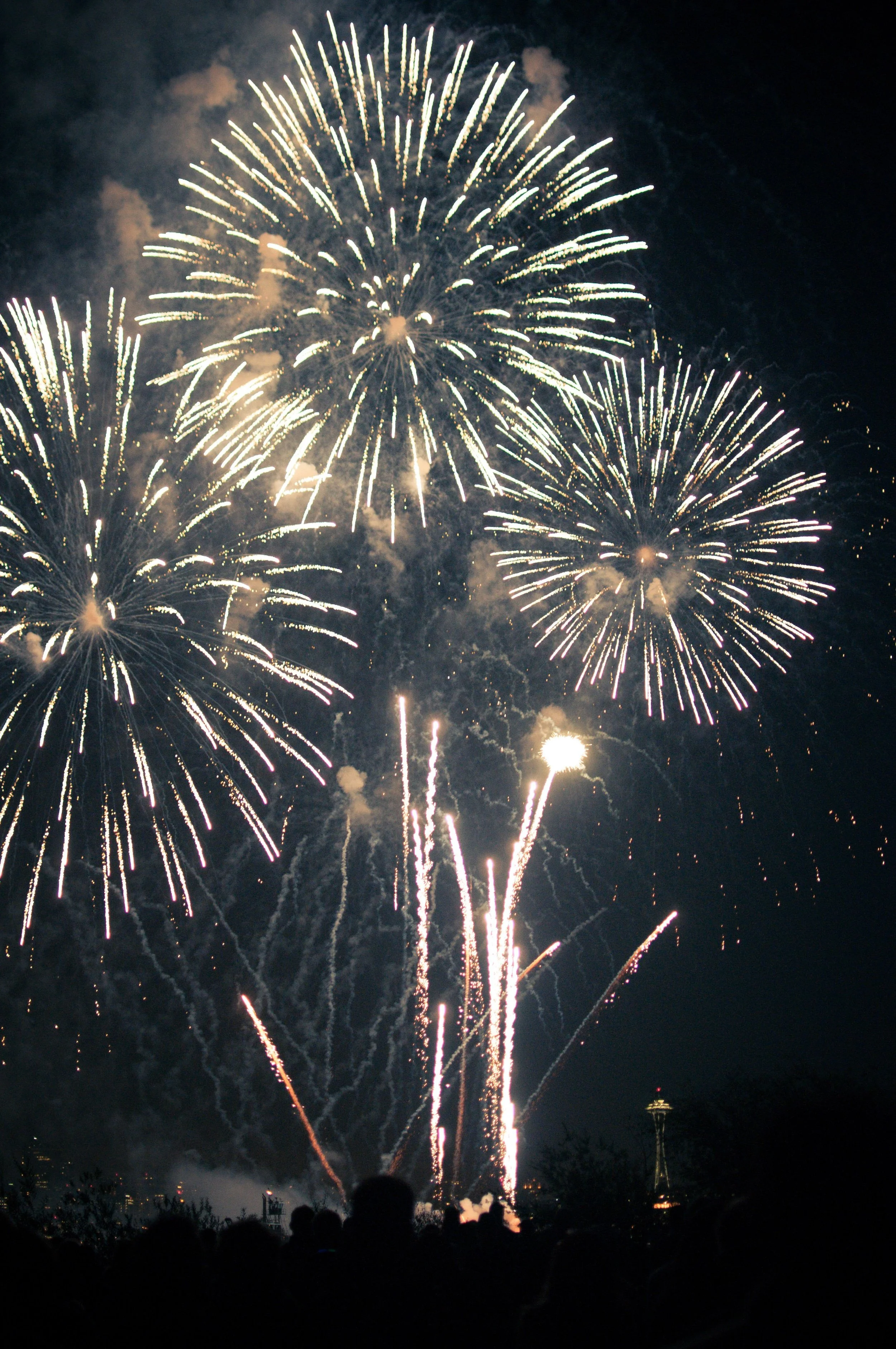
Whether it’s July 4th fireworks in Washington, DC, a small-town festival in Frederick County, or a backyard celebration with family, celebrations have one thing in common—they light up our senses and bring people together.
Today’s post is a two for one: our list of top local celebrations and some of the science behind fireworks.
Our favorite local celebrations
Around our local area, we love how celebrations take on different flavors:
In Washington, DC, the National Mall becomes the heart of the country each July 4th, with fireworks, concerts, and families gathered under the monuments.
In Frederick County, Baker Park and Downtown Frederick bring a more small-town feel—walkable, festive, and full of local vendors.
In Montgomery County, community celebrations like Germantown Glory and other local events blend live music, food trucks, and family-friendly fireworks.
In Carroll County, towns like Westminster and Sykesville offer classic hometown parades and laid-back fireworks that feel nostalgic and close-knit.
And one of our favorite hidden gems—Frederick Keys baseball games—where summer nights end with a stadium fireworks show that feels both simple and unforgettable.
Now onto the science because I know my kids will be asking!
The science
But behind every “ooh” and “ahh” is a little bit of science at work.
Fireworks, for example, are a perfect blend of chemistry and physics. Each burst of color in the sky comes from specific elements: strontium creates red, barium produces green, copper gives off blue, and sodium produces bright yellow flashes. When these elements are heated in a firework shell, they release energy in the form of light—creating the brilliant colors we see overhead.
The shape of a firework is also carefully designed. Engineers arrange tiny explosive “stars” in patterns so that when the shell bursts, it forms shapes like rings, willows, or cascading peonies. It’s not random—it’s precision engineering in the sky.
And then there’s the sound. The delay between seeing a firework and hearing it isn’t just dramatic—it’s scientific. Light travels much faster than sound, which is why you always see the explosion before you hear the boom. Kids can even count the seconds between flash and sound to estimate how far away the firework was launched.
Around the world, celebrations use similar science in different ways—from Diwali lights in India to New Year’s fireworks in Sydney. While traditions vary, the goal is the same: to mark a moment, gather community, and create awe.
So the next time you’re watching fireworks with your family, you’re not just seeing a show—you’re witnessing chemistry, physics, and human creativity working together in the night sky.